

Discover the right bike for you
Kids Bikes
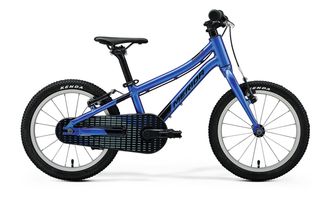
The most important feature of any kids' bike isn't the colour or the brand—it's the fit. A properly sized bike gives young riders the confidence to learn safely while making riding more enjoyable.
Kids' bikes are sized by wheel diameter, not frame size. Choosing the correct wheel size based on your child's height and inseam is far more important than selecting a bike based solely on age.
As children's bikes increase in size, they also become more capable. Smaller bikes focus on simplicity and confidence, while larger models begin incorporating features found on adult bikes, including suspension forks, multiple gears, hydraulic disc brakes, and lightweight aluminium frames.
Higher-quality kids' bikes are often significantly lighter than department store bikes, making them much easier for young riders to control, climb hills, and build confidence.
Dirt Jump Bikes
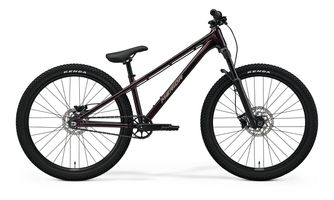
Dirt jump bikes are purpose-built for jumps, pump tracks, skateparks, and developing bike handling skills. Their compact geometry, short wheelbase, and strong frame make them incredibly responsive in the air while remaining durable enough to handle repeated impacts.
Unlike trail bikes, dirt jump bikes prioritise simplicity and strength over versatility. Most feature a 100mm suspension fork, although some riders choose rigid forks depending on their riding style.
The majority use 26-inch wheels, offering quick acceleration and easy manoeuvrability, paired with 2.2–2.4-inch tyres that balance grip with low rolling resistance on hard-packed surfaces.
Most dirt jump bikes are single-speed, reducing maintenance while eliminating the risk of dropped chains during jumps. Hydraulic disc brakes—often with just a rear brake—provide plenty of stopping power without unnecessary weight.
Ideal for riders who:
Ride dirt jumps
Spend time at pump tracks
Visit skateparks
Want to improve jumping and bike control
Hardtail Mountain Bikes
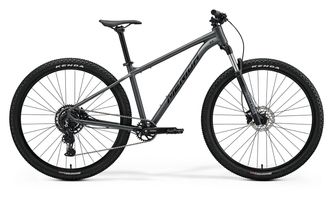
Hardtail mountain bikes feature suspension at the front of the bike only, with a rigid rear frame. This design makes them lighter, more efficient under pedalling, and generally more affordable than a full suspension bike.
Most hardtails offer 100–130mm of front suspension travel, providing enough cushioning for trail riding while maintaining excellent climbing efficiency. They commonly run 29-inch wheels for improved rollover and momentum, although some smaller frame sizes use 27.5-inch wheels for a better fit.
Tyre widths typically range from 2.2–2.6 inches, offering a balance between grip and rolling speed.
Entry-level hardtails often feature reliable air or coil suspension forks, Shimano or SRAM drivetrains, hydraulic disc brakes, and wide-range gearing to make climbing easier.
Ideal for riders who:
Are new to mountain biking
Want an efficient bike for fitness riding
Ride smoother trails and forest tracks
Want maximum value for money
Cross Country (XC) Bikes
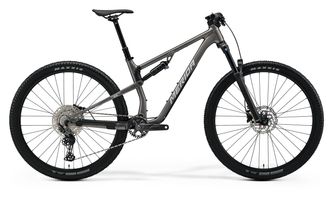
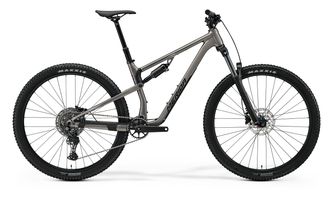
Cross Country bikes are built with one goal in mind—covering ground as quickly and efficiently as possible. Whether you're racing or simply enjoying long rides, XC bikes prioritise low weight, efficient pedalling, and responsive handling.
Modern XC bikes typically feature 100–120mm of suspension travel front and rear. Their lightweight carbon or aluminium frames, steeper geometry, and lockout suspension allow riders to climb efficiently without wasting energy.
Most XC bikes use 29-inch wheels, which roll over obstacles more easily and maintain speed over rough terrain. Tyres are generally 2.2–2.4 inches wide, favouring low rolling resistance while still providing enough grip for off-road riding.
Components are selected to save weight, with 1x drivetrains, lightweight wheelsets, and powerful hydraulic disc brakes becoming standard.
Ideal for riders who:
Enjoy climbing
Ride long distances
Race XC or marathon events
Want maximum efficiency
Trail Bikes
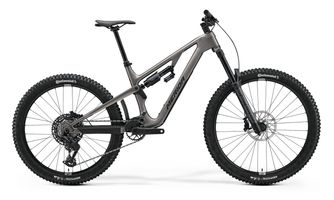
Trail bikes are designed to do a little bit of everything. They climb efficiently, descend confidently, and are capable across a huge variety of terrain, making them one of the most popular categories of mountain bike.
Suspension travel generally sits between 130–150mm front and rear, providing enough travel to comfortably tackle rocky trails without sacrificing too much pedalling efficiency.
Trail bikes are commonly fitted with 29-inch wheels, although many brands also offer mullet setups (29-inch front, 27.5-inch rear) for increased agility and playful handling.
Tyres are typically 2.4–2.6 inches wide, offering plenty of grip and confidence on technical trails.
You'll usually find quality air suspension, dropper seatposts, wide-range 1x drivetrains, hydraulic disc brakes, and progressively slacker geometry designed to inspire confidence when descending.
Ideal for riders who:
Ride a mix of terrain
Want one bike for almost everything
Enjoy technical trails
Value versatility
Enduro Bikes
Enduro bikes are built for aggressive riding, steep descents, and technical terrain while still remaining capable of climbing under their own power.
Most enduro bikes feature 160–180mm of suspension travel, allowing them to absorb large impacts, rock gardens, drops, and rough descents with ease.
Wheel configurations vary depending on rider preference. Many now use a mullet setup, combining a 29-inch front wheel for stability with a 27.5-inch rear wheel for agility, while others continue to use dual 29-inch wheels.
Tyres are significantly more aggressive than those found on XC or Trail bikes, often measuring 2.4–2.6 inches wide with reinforced casings for durability and extra grip.
Components are designed for strength and reliability rather than outright weight savings. Powerful four-piston hydraulic brakes, robust wheelsets, long-travel dropper posts, and heavy-duty suspension are common throughout the category.
Ideal for riders who:
Love descending
Ride technical terrain
Spend time in bike parks
Race Enduro events
Downhill Bikes
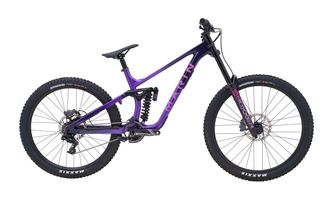
Downhill bikes are purpose-built for one thing....descending as fast as possible! Every aspect of the bike is designed around stability, control, and absorbing the biggest impacts.
They typically feature 190–200mm of suspension travel, making them capable of handling massive jumps, rock gardens, roots, and steep terrain that would overwhelm most other bikes.
Many downhill bikes use a mullet wheel setup, pairing a 29-inch front wheel with a 27.5-inch rear for stability and manoeuvrability, although dual 29-inch options are becoming more common.
Tyres are usually 2.4–2.5 inches wide, featuring soft rubber compounds and downhill-specific casings for maximum grip and puncture resistance.
Unlike trail or enduro bikes, downhill bikes often use smaller gear ranges because climbing isn't part of the ride. They also feature the strongest suspension components, heavy-duty frames, and powerful four-piston brakes built to withstand repeated high-speed descents.
Ideal for riders who:
Ride lift-accessed bike parks
Compete in downhill racing
Spend most of their time descending
Want maximum suspension and control
Road Bikes
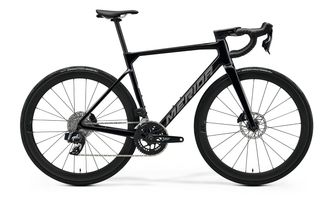
Road bikes are designed to maximise efficiency, speed, and performance on sealed roads. Lightweight frames, aerodynamic riding positions, and fast-rolling tyres allow riders to cover greater distances with less effort.
Today's road bikes generally fall into two categories: Endurance Road Bikes, which prioritise comfort over long distances, and Performance or Race Bikes, which focus on speed, stiffness, and aerodynamics.
Most road bikes use 700c wheels with tyres ranging from 28–32mm, although wider tyres are becoming increasingly popular for improved comfort and grip.
Frames are commonly constructed from aluminium or carbon fibre, while modern drivetrains feature either Shimano, SRAM, or Campagnolo components with electronic shifting becoming increasingly common on higher-end models.
Hydraulic disc brakes are now the standard across most road bikes, offering excellent braking performance in all weather conditions.
Ideal for riders who:
Ride on sealed roads
Train for fitness
Participate in bunch rides
Race or complete long-distance events
Gravel Bikes
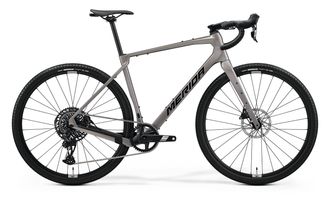
Gravel bikes are among the most versatile bikes available. Designed to comfortably transition between sealed roads, gravel roads, rail trails, and light off-road tracks, they're ideal for riders who like to explore without worrying about where the road ends.
Compared to a road bike, gravel bikes feature a more relaxed geometry, wider tyres, and increased tyre clearance for improved comfort and stability on rougher terrain.
Most gravel bikes run either 700c wheels or 650b wheels, depending on the bike and rider preference. Tyres typically range between 38–50mm, providing significantly more grip and comfort than a traditional road bike.
Modern gravel bikes often include 1x or 2x drivetrains, hydraulic disc brakes, and multiple mounting points for racks, mudguards, and bikepacking bags, making them equally suited to weekend adventures and daily commuting.
Many newer gravel bikes also feature internal cable routing, carbon forks for vibration damping, and dropper post compatibility for technical descents.
Ideal for riders who:
Ride mixed terrain
Enjoy exploring back roads
Want one bike for commuting and adventure
Plan multi-day bikepacking trips
Understanding Bike Components
You'll often hear riders talking about "groupsets", "forks", or "wheelsets". These components all play an important role in how a bike performs.
Suspension Fork
The front suspension of the bike. Better forks offer smoother performance, greater adjustability, and improved durability.
Rear Shock
Found on full suspension bikes, the rear shock works with the bike's linkage to absorb impacts and maintain traction.
Groupset
The collection of drivetrain and braking components, including the shifters, derailleurs, cassette, crankset, chain, and brakes.
Popular manufacturers include:
Shimano
SRAM
Campagnolo (Road)
Higher-end groupsets are typically lighter, shift more smoothly, and offer greater durability.
Wheelset
Your wheels influence acceleration, climbing, handling, and ride quality more than many riders realise.
Lighter wheels feel more responsive, while stronger wheels are better suited to aggressive riding.
Bike Terminology Explained
Choosing the Right Bike
When comparing bikes, ask yourself:
Where will I ride most often?
Do I enjoy climbing, descending, or both?
Am I chasing speed or comfort?
Will I ride every weekend or every day?
Do I want to race or simply have fun?
How much maintenance am I comfortable with?
What's my budget?
The answers to these questions will quickly narrow down the best bike for your needs
Our Advice
Specifications are important, but they only tell part of the story. The best bike is the one that fits your body, matches the way you ride, and leaves you excited for your next adventure.
At Full Cycle Bikes, we're riders ourselves. Whether you're buying your first bike, upgrading your current ride, or choosing between two models, we're here to help you make the right decision, without the confusing jargon.
Come in for a chat, compare different bikes side by side, and let us help you find the perfect ride.

MIPS
Allowing Controlled Movement
MIPS (Multi-directional Impact Protection) uses a low-friction layer inside the helmet.
During certain angled impacts, this layer can allow a small amount of movement between the helmet and your head. The aim is to help reduce the rotational forces trasferred to the head.
Rather than trying to stop every movement, MIPS is designed to allow controlled movement that can help manage rotational energy.